The History of Muscle Cars
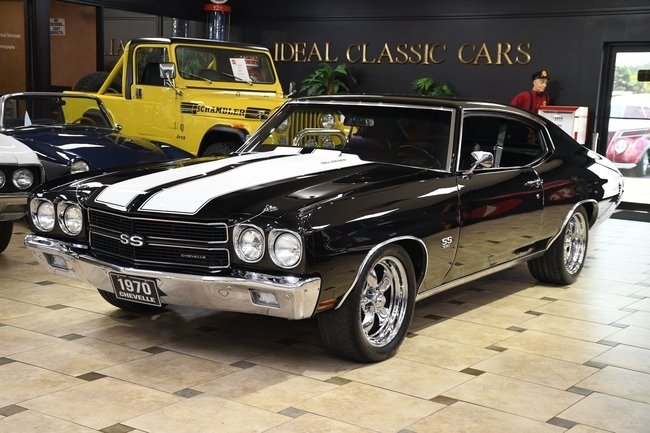
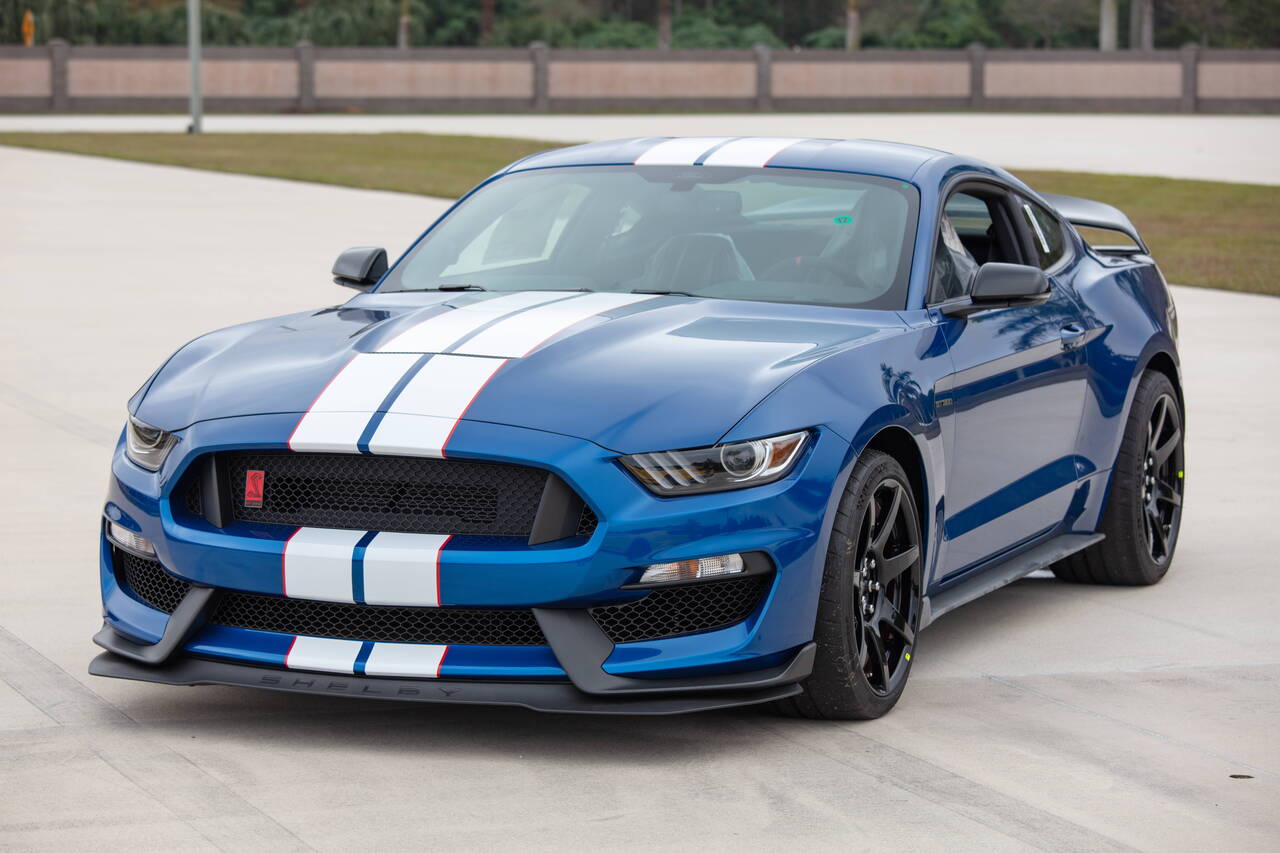
Muscle cars emerged in the 1960s as a response to America's growing fascination with speed and power. These high-performance vehicles, characterized by their large V8 engines and sleek designs, were designed to combine the practicality of a family car with the thrill of a sports car. The Pontiac GTO, introduced in 1964, is often credited as the first true muscle car, sparking a revolution in the automotive industry. Throughout the 1960s and early 1970s, American automakers like Ford, Chevrolet, and Dodge competed fiercely to produce the fastest and most powerful cars, resulting in iconic models such as the Ford Mustang, Chevrolet Camaro, and Dodge Charger. Muscle cars became symbols of freedom and rebellion, particularly among young drivers, and were heavily featured in popular culture, from movies to music. However, the oil crisis of the 1970s and stricter emissions regulations led to a decline in muscle car production. In recent decades, there has been a resurgence of interest in muscle cars, with modern versions like the Dodge Challenger and Chevrolet Corvette paying homage to their classic predecessors. Today, muscle cars remain a beloved part of American automotive history, celebrated for their power, style, and cultural impact.
The Origins of Hot Rod Culture
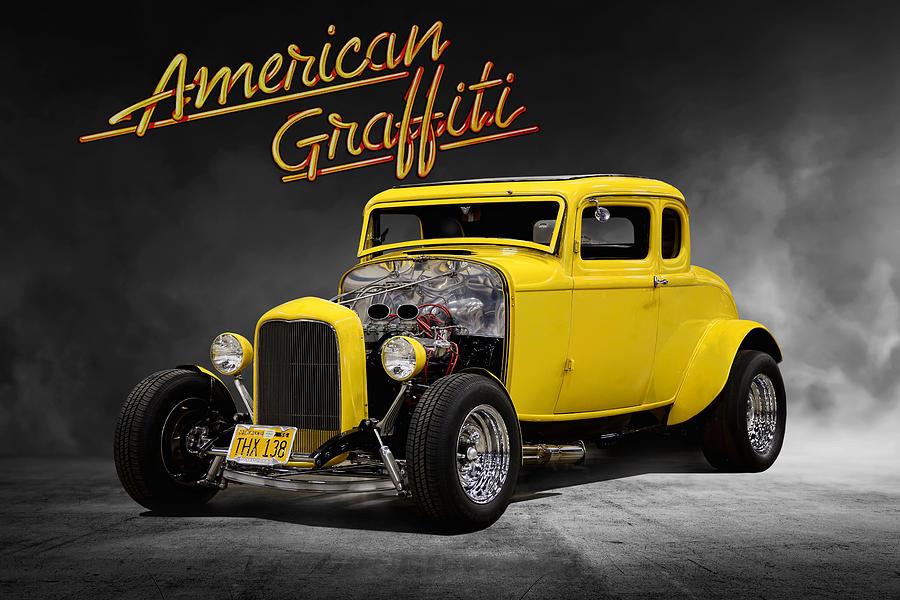
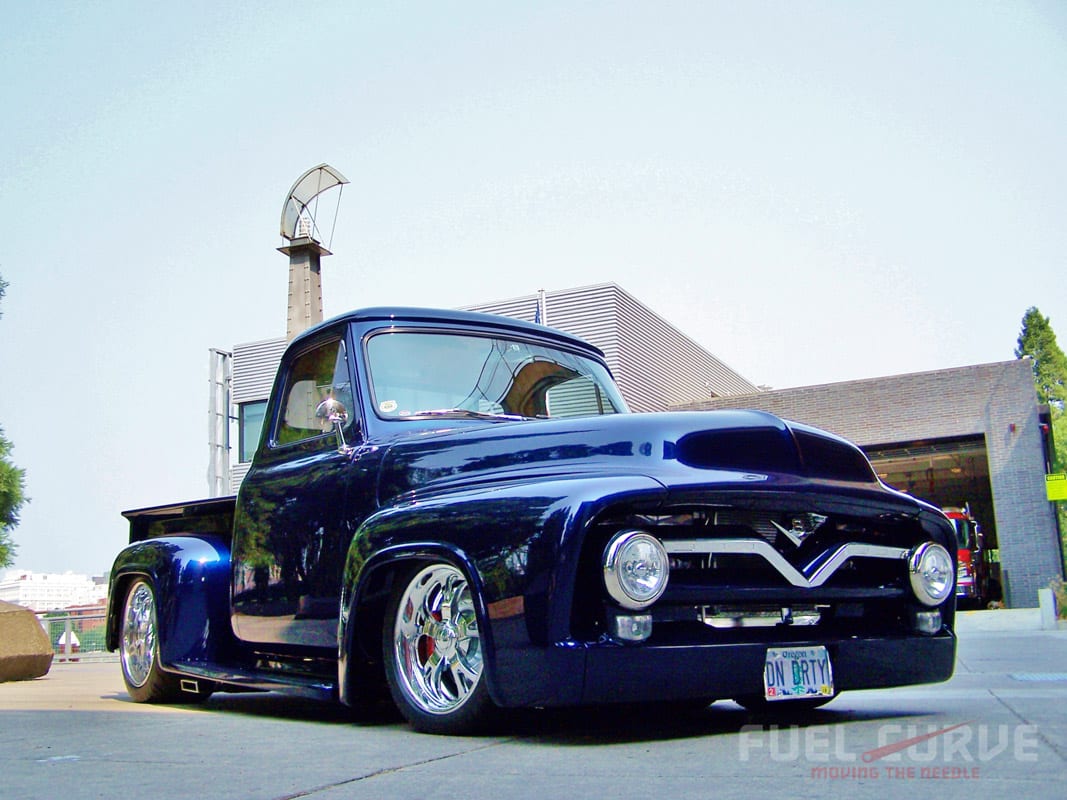
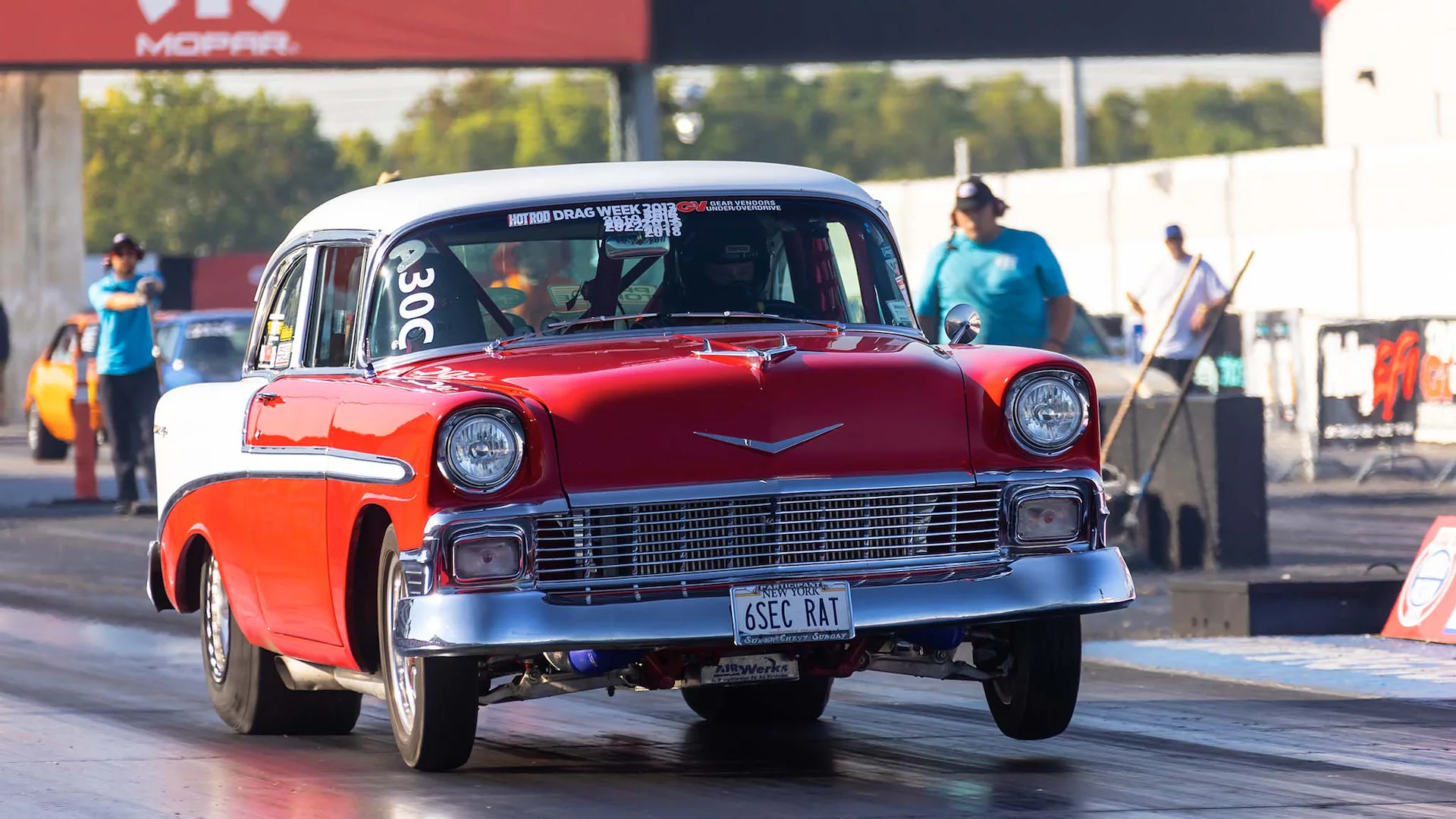
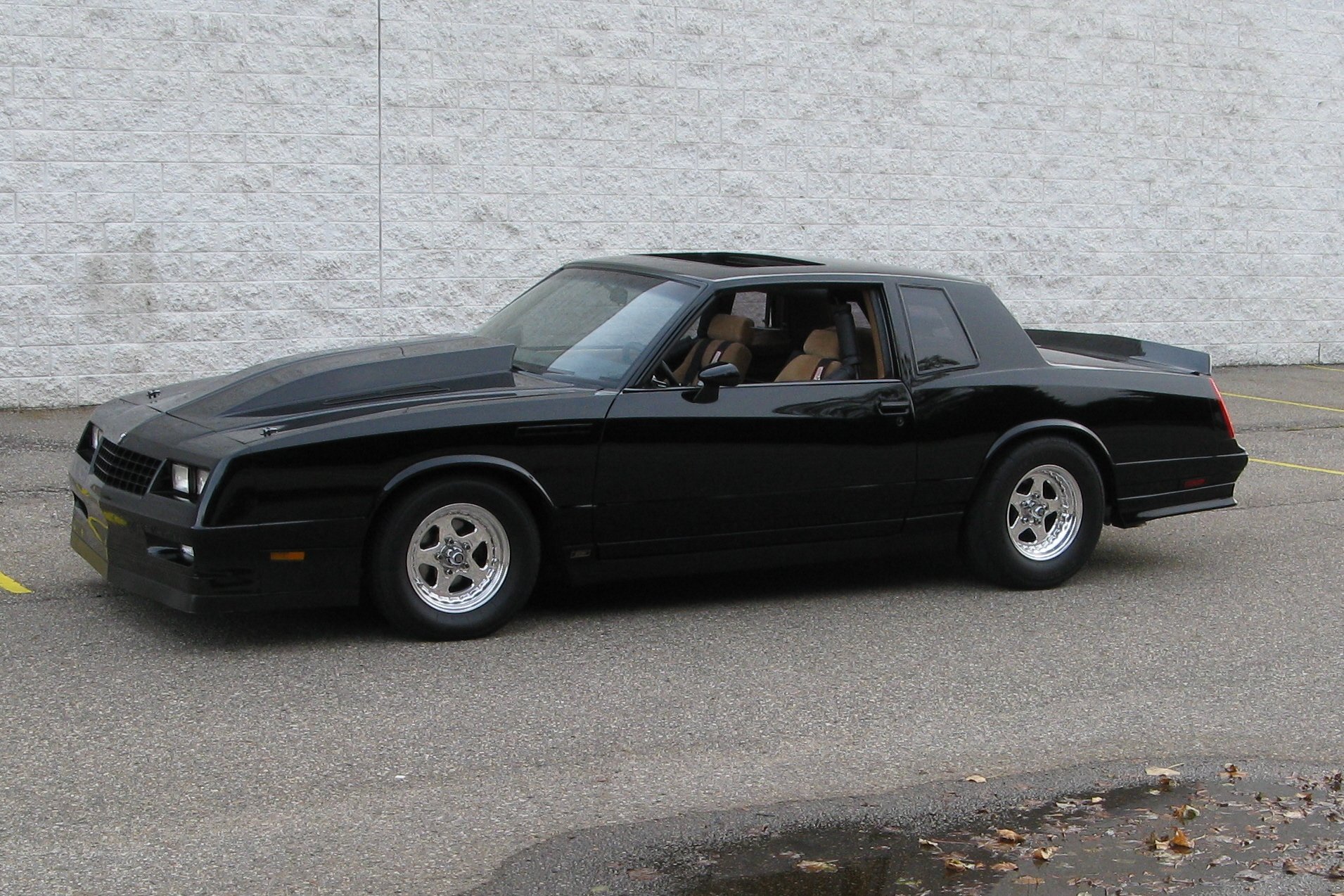
Hot rod culture began in the 1930s and 1940s in Southern California, where enthusiasts modified older cars, particularly Ford Model Ts and Model As, to increase their speed and performance. These early hot rodders, often young and resourceful, stripped down their vehicles to reduce weight and installed more powerful engines, creating machines that could dominate the dry lake beds of the Mojave Desert. By the 1950s, hot rodding had evolved into a full-fledged subculture, with custom car shops, drag racing events, and magazines like Hot Rod fueling its growth. California's warm climate and expansive network of highways made it the perfect breeding ground for this automotive movement. Hot rods became symbols of individuality and innovation, with each car reflecting its owner's personality and creativity. Over the years, hot rodding has faced some controversy, particularly regarding safety and environmental concerns, but it has also inspired countless innovations in automotive design and engineering. Today, hot rod culture remains deeply rooted in California, with events like the Grand National Roadster Show and the iconic Route 66 attracting enthusiasts from around the world. Hot rods are not just cars; they are a testament to the ingenuity and passion of their builders, and they continue to captivate new generations of car lovers.